

BP AI Strategy: AI in Drilling, Refining and Retail
How BP uses AI on its own work: AI in drilling, field operations, refining and retail, a Palantir partnership and office job cuts. Updated November 2026.
Integrated energy company: oil and gas production, refining, trading, fuel and convenience retail, and lower-carbon energy
BP has no standalone AI strategy document. AI is part of its corporate strategy, described in news reports and its 2024 Palantir agreement.
Read the company sourceWhere BP Is Going with AI
BP uses AI to get more from its oil and gas business at lower cost. Emeka Emembolu, BP’s executive vice president of technology at the time, said in June 2025: “Our technology agenda is central to growing oil and gas”, according to a Bloomberg report.
BP has no standalone AI strategy document. AI is part of its corporate strategy, and this profile draws on news reports and its Palantir agreement.
The focus has four parts.
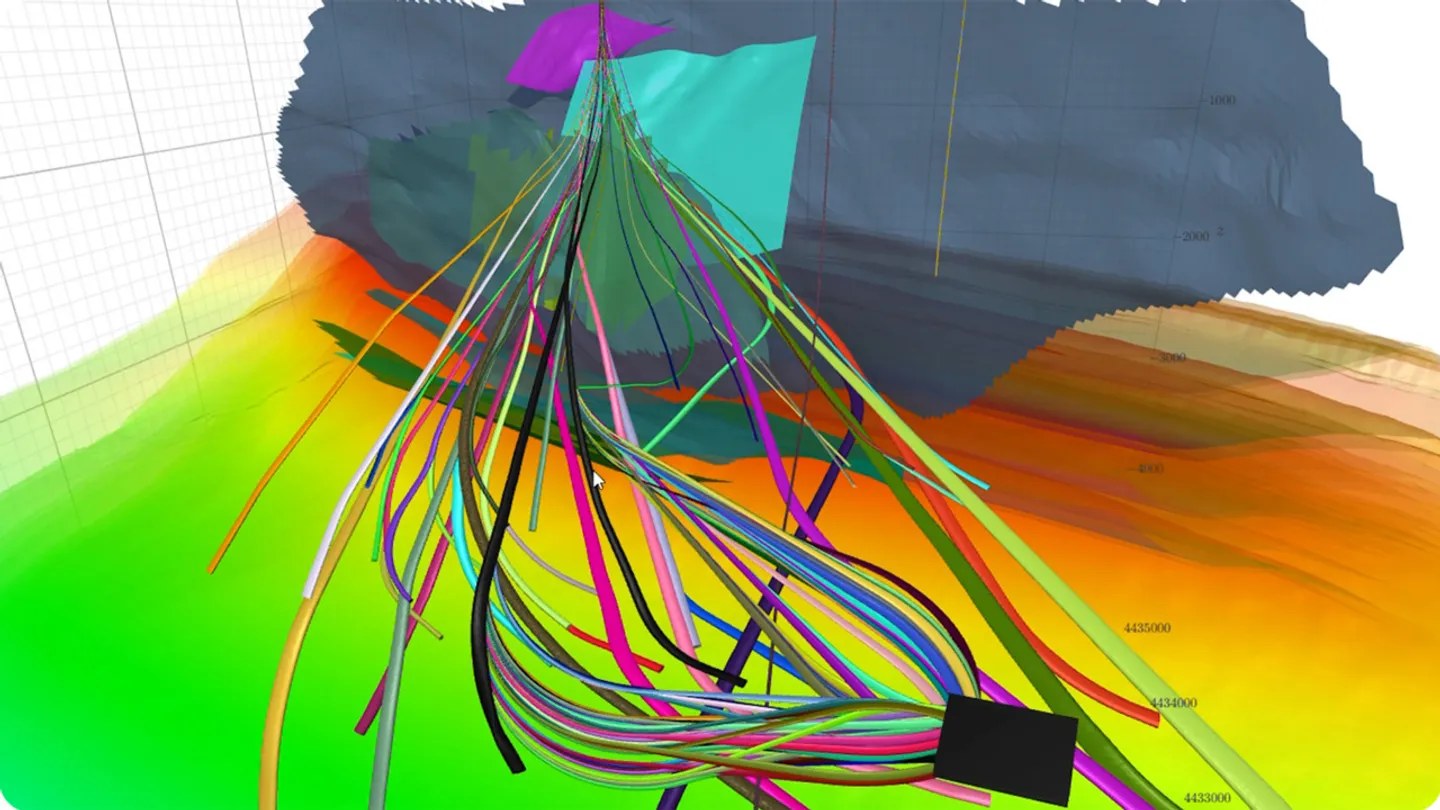
- Drilling: an AI tool that evaluates thousands of scenarios to choose the best well path
- Field operations: an AI morning report that sends crews to the sites most in need of work
- Refining: Palantir data engineers at the Whiting refinery working to raise uptime and cut costs
- Retail: AI that advises convenience store managers in Germany on how many pastries to bake
What It Takes: A Palantir Partnership, Technology Teams and Cost Discipline
BP extended its partnership with Palantir in 2024. The five-year agreement adds Palantir’s AI tools to the digital twins that BP uses in its oil and gas operations, according to World Oil.
Technology supports BP’s cost cuts. BP planned to cut about 6,200 office jobs, about 15% of its office staff, under a cost program running to 2027, BusinessCloud reported in August 2025.
BP’s leaders tied technology to lower costs. Murray Auchincloss, then chief executive, said in August 2025: “Technology is helping improve capital productivity and drive cost reductions across the portfolio.”
BP has a new chief executive. Meg O’Neill took over as CEO in April 2026, according to World Oil, and the sources reviewed do not set out her plans for AI.
Average headcount rose 48% from 2022 to 2025, to about 98,200, as BP made acquisitions. The sources reviewed do not link it to AI.
AI fluency, coded against the Lead with AI Fluency Matrix (September 2026 edition):
- Fluency floor: Not published. BP has set no public AI training requirement or usage standard for staff.
- Highest level evidenced: Level 3 (Integrating), company-claimed. The drilling tool is used in fields from the Gulf of Mexico to Azerbaijan.
- Portfolio design: BP applies AI to its largest costs and assets, from drilling to refining, and extends it to retail.
How BP Measures Results
BP reports results by use case, without a total. The figures below are company-claimed:
- Drilling: well path planning cut from months to days, Emembolu said
- Field operations: less driving time between sites for field crews
Gaps remain. BP links technology to its cost cuts and does not say how much AI contributes. Reporting that share is the step from AI adoption to AI value.
Next markers: O’Neill’s plans for AI, the share of cost cuts that comes from AI, results from the Palantir agreement and headcount for 2026.
Change log
- September 2024: BP agrees a five-year AI partnership with Palantir.
- August 2025: BP expands office job cuts to about 6,200.
- April 2026: Meg O’Neill becomes CEO.
The Bottom Line
- Disclosure: 4 of 4. BP answers all four questions in part, with results by use case and no total.
- AI runs in drilling, field operations, refining and retail.
- Palantir is a five-year partner for AI and digital twins.
- Level 3 is evidenced in drilling, on company-claimed examples.
- The say-do gap is people. BP cut office jobs while it expanded AI and has published no plan for how roles change.
- Watch the new CEO. The test is whether O’Neill sets out what AI contributes to BP’s cost targets.
Revenue, Headcount and Revenue per Employee
What the numbers show: Revenue fell 23% from 2022 to 2025 as energy prices fell from their 2022 highs, while headcount rose 48%, so revenue per employee fell 48%, to about $1.96M. These figures do not show that AI caused any change.
Revenue, headcount and revenue per employee, FY2022 to FY2025
- FY2022: $248.9bn revenue, 66,300 employees, $3.75M per employee
- FY2023: $213.0bn revenue, 79,400 employees, $2.68M per employee
- FY2024: $194.6bn revenue, 91,000 employees, $2.14M per employee
- FY2025: $192.5bn revenue, 98,200 employees, $1.96M per employee
Change, FY2022 to FY2025: revenue down 23%, headcount up 48%, revenue per employee down 48%.
Notes: Revenue is as reported. Headcount is the average for the year. Headcount rose with acquisitions, including TravelCenters of America in 2023 and full ownership of Lightsource bp in 2024.
These figures give context on scale and productivity. They do not show that AI caused any change. Sources: BP 20-F filings.
How BP Compares with Oil and Gas Peers
We looked at how BP compares with other oil and gas companies in the index. Here is how they stack up.
| Company | Disclosure | AI owner | Fluency floor | Governance | AI value reported | Revenue per employee |
|---|---|---|---|---|---|---|
| BP | 4 of 4 | Technology function (EVP technology in 2025) | Not published | Not published | Results by use case, no total | $1.96M |
| Chevron | 2 of 4 | Chief Data and Analytics Officer | Not published | Thin: no published principles | Yes: more than $100M in 2026 | $4.39M |
| ConocoPhillips | 3 of 4 | Chief Digital and Information Officer; product teams judge use cases | Not published | Funding follows the value of each use case | Described as significant, no figures | $5.95M |
| ExxonMobil | 4 of 4 | CEO; no dedicated AI leader named | Not published | Not published | Results by area, no total | $5.73M |
| Shell | 2 of 4 | Global Head of AI | Not published | Not described | No: inside the wider cost program | $3.14M |
| TotalEnergies | 3 of 4 | No single owner; OneTech builds | In part: all staff to be trained | In part: agent review committee | Results by use case, no total | $1.98M |
Disclosure counts how many of the four strategy questions (where it is going, where it will focus, what it will take and how it will know it is working) a company answers in public. Fluency floor is the lowest level of AI fluency a company expects of all its people, on the five levels of the Lead with AI Fluency Matrix: Avoiding (0), Chatting (1), Collaborating (2), Integrating (3) and Transforming (4). The other columns summarize each company’s profile. Revenue per employee is for each company’s latest fiscal year, in US dollars. See all companies in the AI Strategy Index.
Frequently Asked Questions
What is BP’s AI strategy for its own work?
BP uses AI in drilling, field operations, refining and retail to raise output and cut costs. Palantir is its partner for AI in operations.
Who leads AI at BP?
Meg O’Neill has been chief executive since April 2026. Emeka Emembolu led BP’s technology work as executive vice president of technology in 2025.
How does BP use AI in drilling?
An AI tool from BP’s Houston technology center evaluates thousands of scenarios to choose the best well path. BP says it cuts planning from months to days.
Is BP cutting jobs because of AI?
BP has not linked a number of job cuts to AI. It planned about 6,200 office job cuts under its cost program, and it says technology helps drive cost reductions.
How is this profile put together?
Lead with AI profiles use public sources only, such as annual reports, earnings materials, filings and on-record interviews, dated at the time of writing. AI fluency is coded against the Lead with AI Fluency Matrix, and company figures are marked as company-claimed unless they have been independently verified.
About the AI Strategy Index
The Lead with AI AI Strategy Index profiles how the largest companies in the US and Europe approach AI, starting with the S&P 100 and the STOXX Europe 50. Each profile answers four questions: where the company is going with AI, where it will focus, what it will take and how it will know it is working. AI Pacesetters and notable companies outside the two indexes are profiled for contrast and are not counted. Profiles use public sources only, and AI fluency is coded against the Lead with AI Fluency Matrix.
See all company profiles