
What Is a Harness, and Why Does It Matter More Than the Model?

Byline: Based on the May 6, 2026 Lead with AI PRO live session with Gary C. Tate, Chief AI Officer at Lead with AI and instructor of Agentic AI Applied to Business. Members, watch the full recording here:
Sam Altman recently changed his sleep schedule. He goes to bed, sleeps for four hours, gets up to check whether his agents are running correctly, then goes back to sleep.
As Gary C. Tate told his Lead with AI PRO audience: "They send all the agents off to work, they go to sleep for four hours, and then they have FOMO, they wake up, they sit at their desk for another half an hour, make sure everything's working."
What Altman is checking on isn't the model. It's the harness around it.
And according to Tate, understanding that distinction may be the most important shift a senior leader can make in 2026.
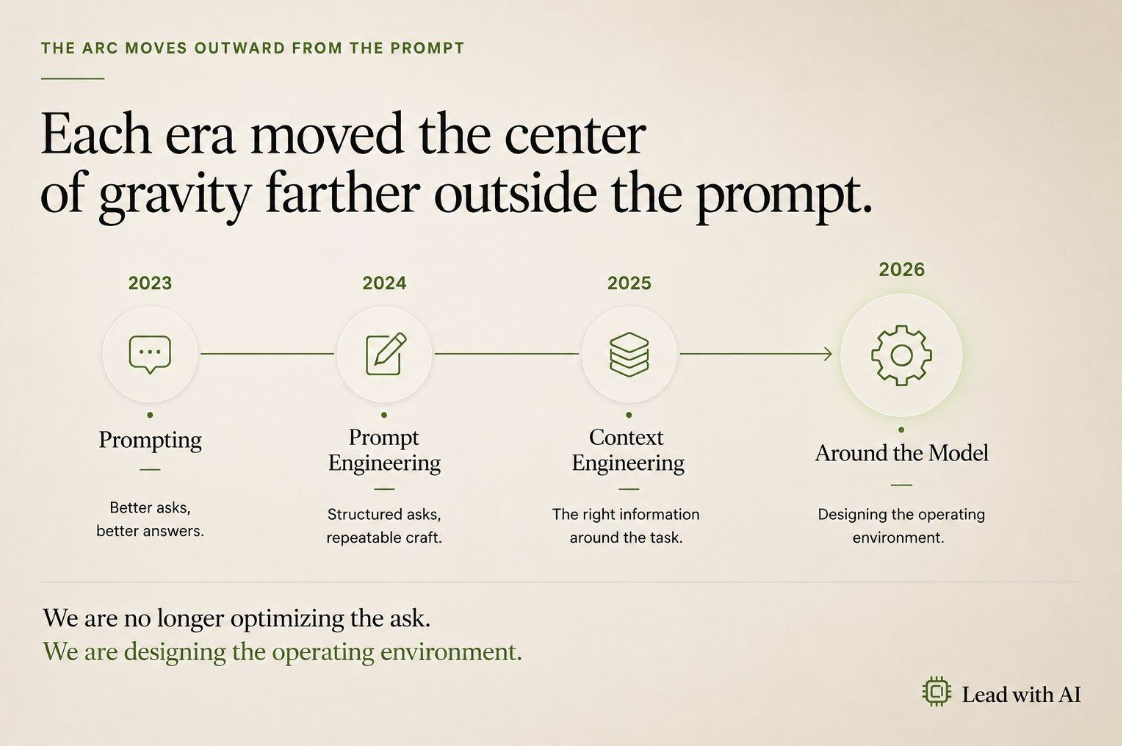
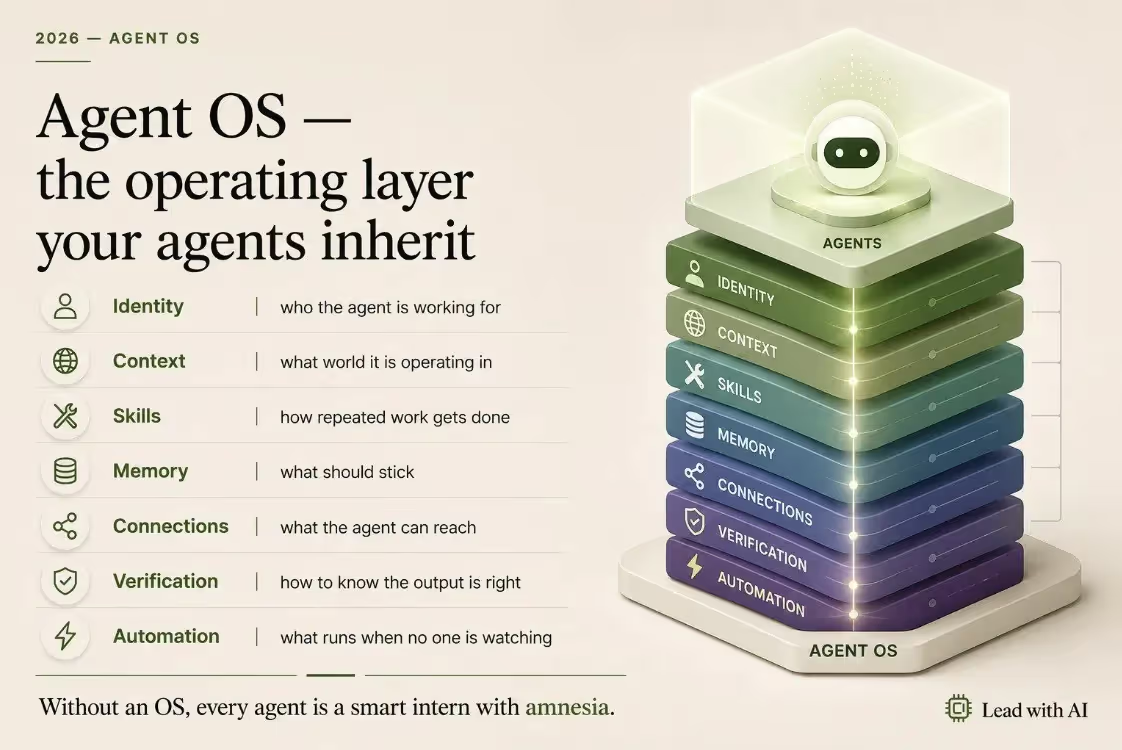
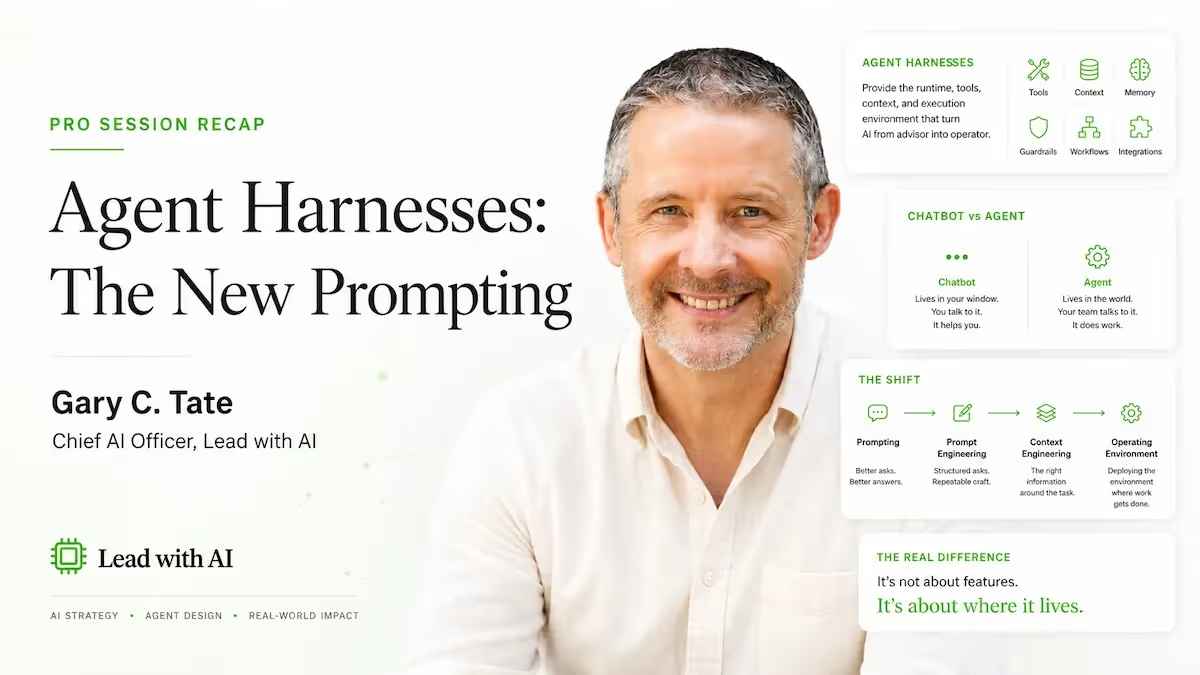
Harness engineering is the practice of designing everything around an AI model: the tools it can use, the memory it can access, the rules it operates by, and the compute environment it runs inside. The model handles the reasoning. The harness handles everything else.
Sam Altman made this explicit in a recent interview with Ben Thompson, which Tate quoted directly:
"It's hard to overstate how critical [the harness] is. I no longer think of the harness and the model as these entirely separable things."
Tate's own framing: "The LLM's in the center, it's the brain, but it's got this power suit on, with hands and grippers and all kinds of stuff. It's got upgraded memory, and it can do all these cool things. All of that's the harness."
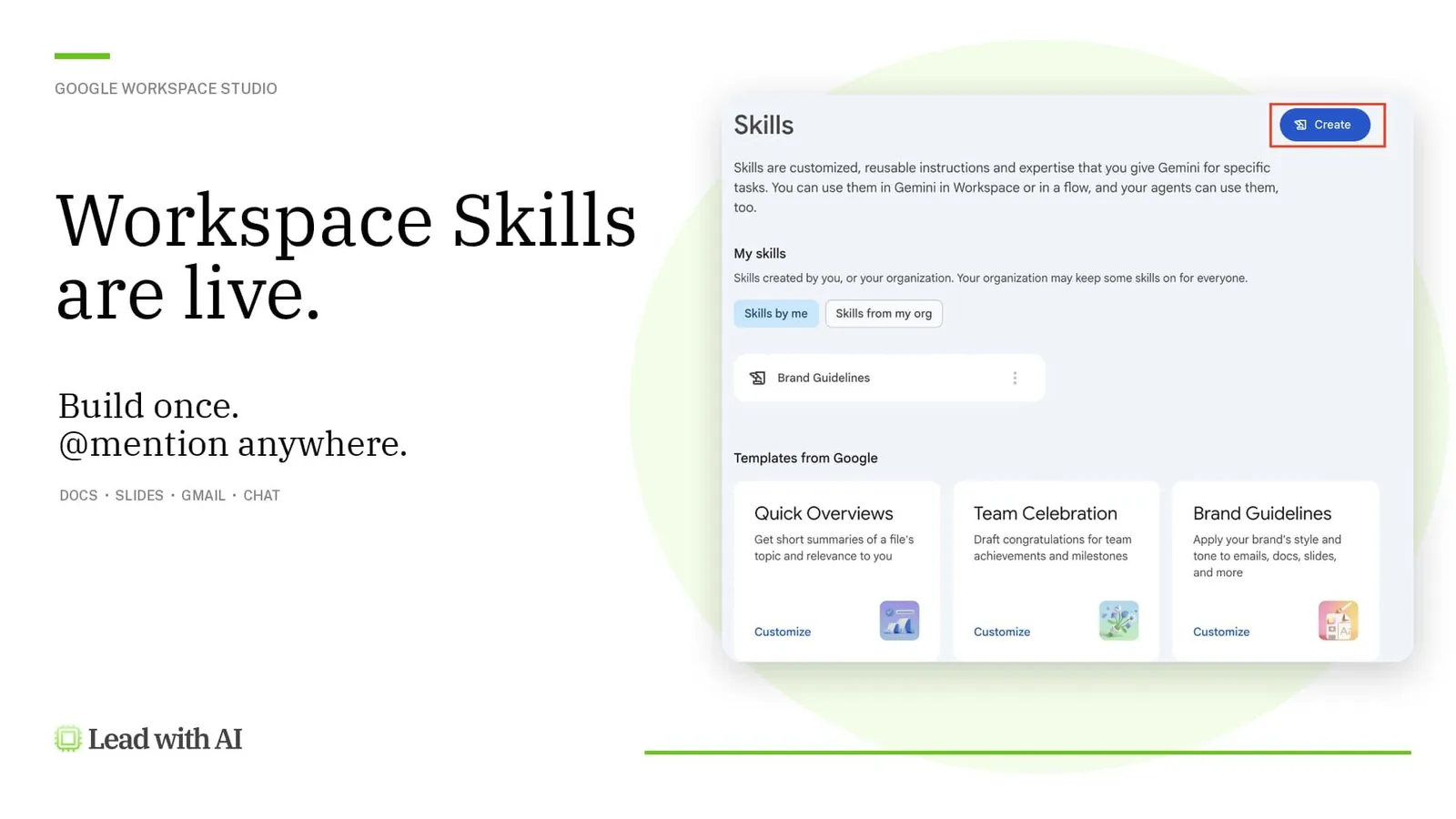
What's striking about this moment is the speed of convergence. Tate pointed out that tools built for entirely different purposes -- Notion, Lovable, Replit, Airtable, Perplexity -- are all moving toward the same destination: an environment where agents have access to tools, file systems, and real compute.
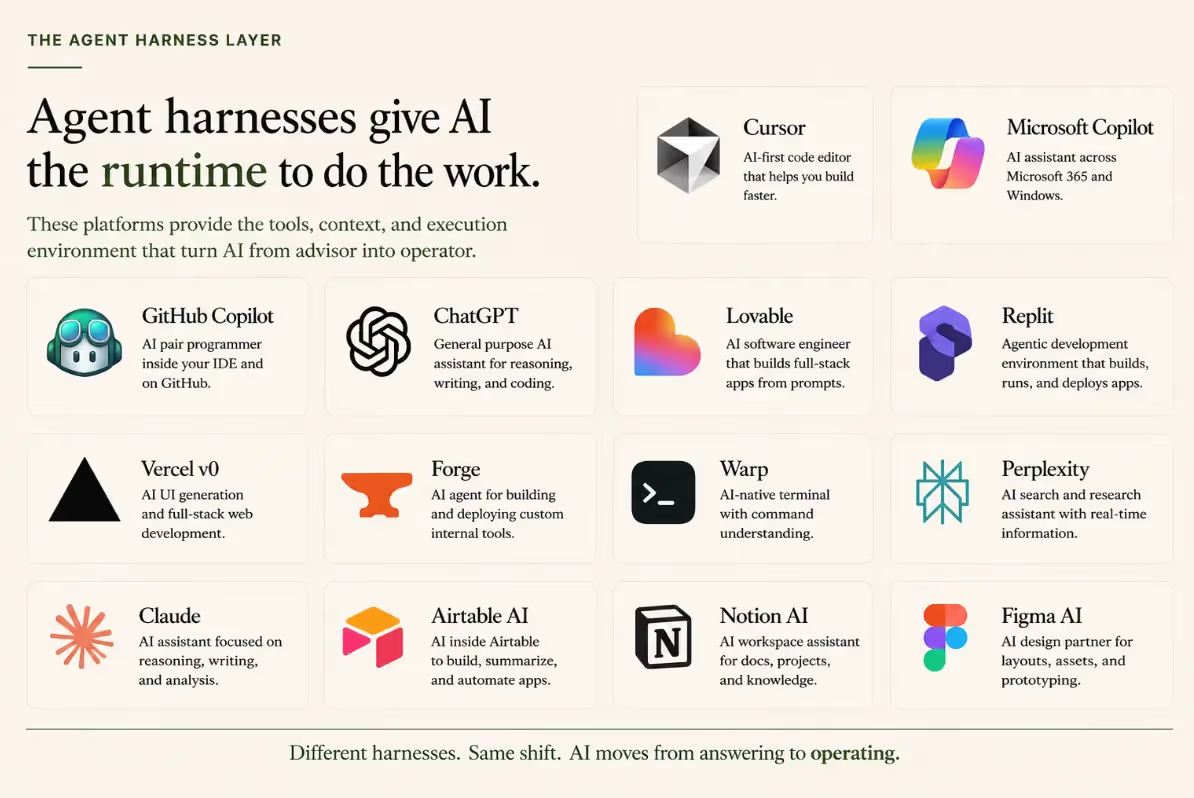
"Everybody's getting in on the game now," Tate said. "There's agents inside, and it's a framework, a harness. It's somewhere where there's agents that have access to resources, tools, and file systems, where they can actually do some work."
He counted 45 agent harnesses currently in the market, with more arriving every week.