

Recently, the CEO of a research company told me something I hear constantly: "I can see the technical opportunity, but the AI doesn't know enough about how we actually operate."
He is right.
And this is not a new problem. Michael Polanyi described it in the 1960s with a line that has stuck around for a reason: we can know more than we can tell. The knowledge that makes an experienced operator good at their job resists being written down. It shows up in judgment calls, in edge cases, in the thing you do without noticing you are doing it.
Francesco Marzoni, chief data and analytics officer at Ingka Group (the holding company that runs most of IKEA's stores), put the business version of it plainly: "AI is very much about data, and data is largely in people's heads."
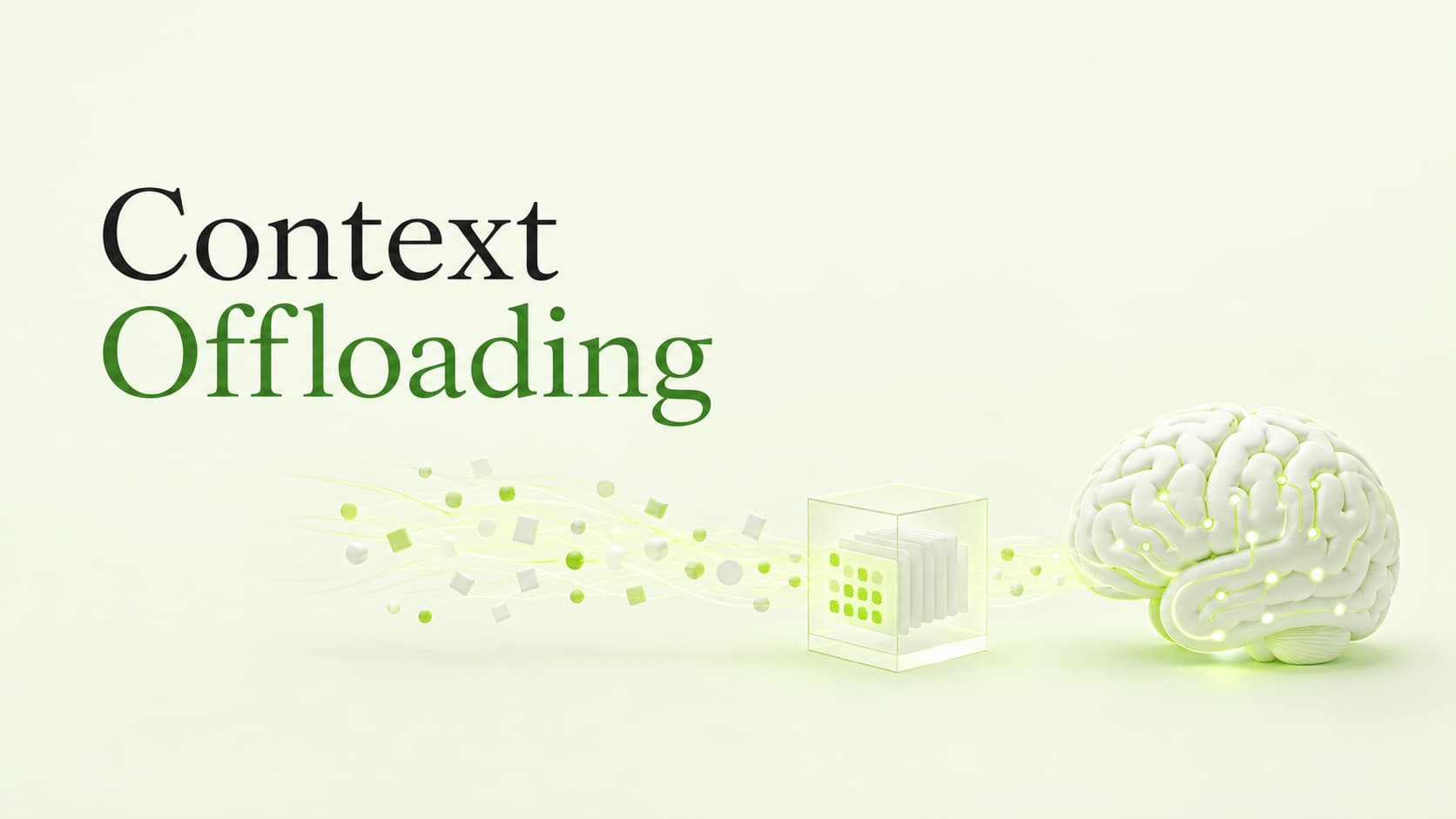
So if you want AI to deliver organization-specific intelligence, you need to make your thinking retrievable.
That is what context offloading is. It is a system for turning what is in your head into something AI can actually use.