September 14, 2026

GPT-6 Astra Put to the Test on a 90-Day Business Plan

We gave GPT-6 Astra, Sol, and Terra the same 90-day business plan. See how Astra's answer compared and when to use each model.
GPT-6 Astra Put to the Test: can it turn company context into clear priorities? Lead with AI
Daan van Rossum
By
Daan van Rossum
Founder & CEO, Lead with AI

Presented by

GPT-6 Astra just dropped. What changes when you give GPT-6 Astra a genuinely hard strategic problem, and how does its answer compare with Sol and Terra?

OpenAI introduced GPT-6 Astra earlier this month as the new model behind ChatGPT, Codex, and its API. It's already powering ChatGPT Work, Codex, and the API.

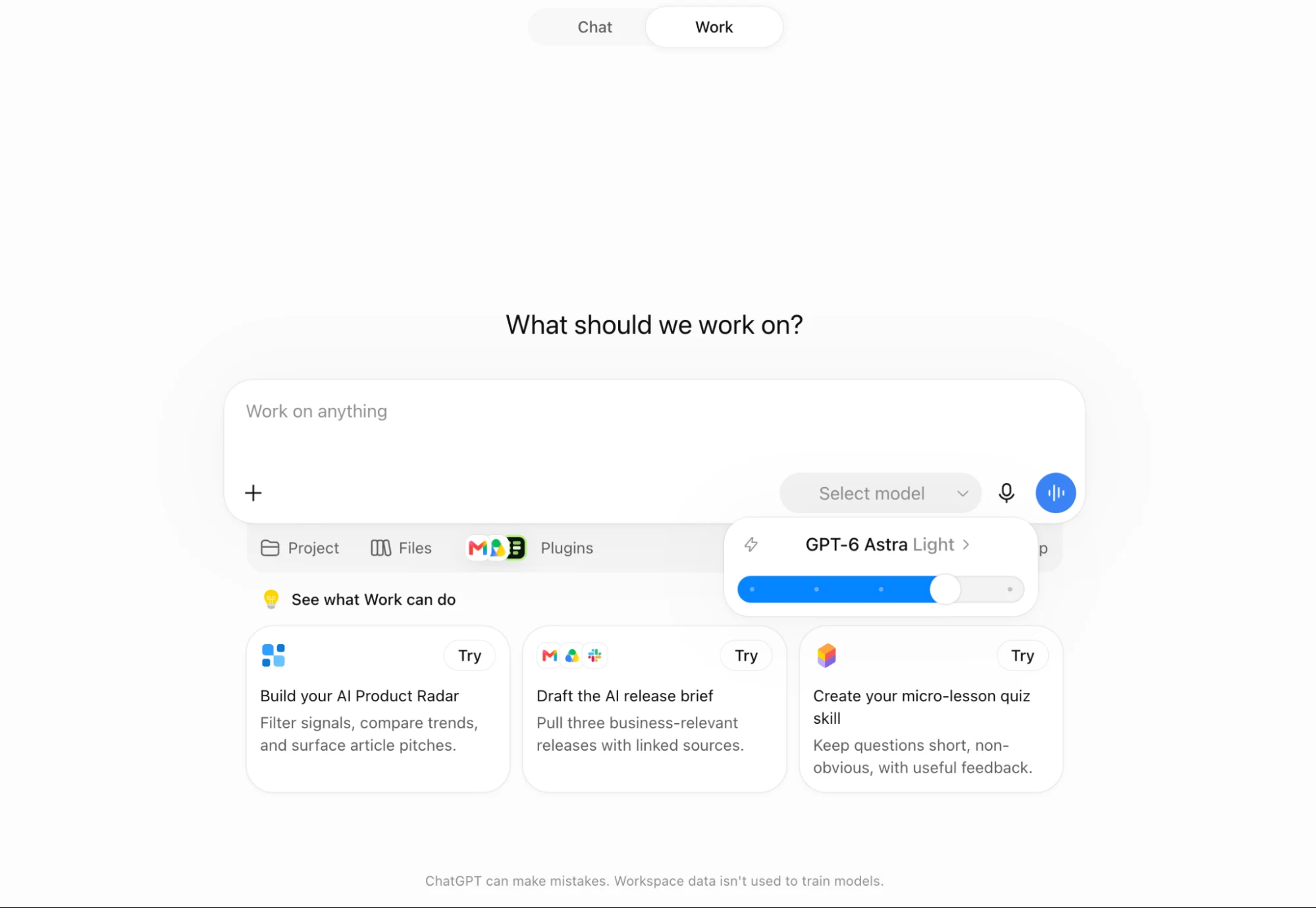
You can reach Astra in two places. Inside regular Chat, set the Thinking effort bar to 6 Pro. Inside ChatGPT Work, just pick GPT-6 Astra from the model selector.

ChatGPT Work tab with the Select model menu open, showing GPT-6 Astra Light
Click on Work and Select Model to access Astra

Older models like Sol were built for speed and cost. Astra focuses not on faster responses, but on better judgment for real work.

It uses approved plugins to understand your company context and give more tailored responses.

Flagship AI Newsletter
The AI Newsletter That Makes You Smarter, Not Busier
Join over 30,000 leaders and receive our insights on AI platforms, implementations, and organizational change management.
FlexOS Course - AI Content Accelerator - Testimonial Badge

GPT-6 Astra: What Changed

OpenAI claims Astra is the strongest model so far for complex work. Several model updates are worth knowing about:

  • It handles unclear instructions better. Astra is better at asking questions when missing information could affect the result.
  • It keeps a better track of the original task. When you add a requirement or ask a side question, it responds better without forgetting the goal or earlier instructions.
  • It follows your template and style more closely. It finds relevant information in existing documents, slides, and spreadsheets. This rich context allows Astra to respond better to your existing format.
  • It uses computer tools more effectively. With access, Astra can interpret screens and make more efficient, accurate decisions about where to click or what to type.

Additional platform updates enhance Astra’s performance. This includes:

  • More approval checkpoints and confirmation policies in Enterprise workspaces. Admins can require approval before a consequential action goes through. OpenAI also automatically reviews tool calls that look unsafe or unauthorized.
  • OpenAI models can work inside apps without an API. No need to wait for an official plugin, as Astra opens the app itself, reads what's on the screen, and clicks and types through it the way a person would. On the Enterprise plan, admins can limit that to an approved list of websites and apps.

Who has this today? It's live now inside ChatGPT on Plus, Pro, Business, and Enterprise, plus Codex and the API.

On Enterprise, an admin has to switch it on for the whole workspace and authorize sites and apps Astra can access.

What I Tested: How Three GPT Models Compared

I gave five options in the Model selection toggle (GPT-5.6 Terra Light, GPT-5.6 Sol Light, GPT-5.6 Sol Medium, GPT-6 Astra Light, and GPT-6 Astra Medium) the same prompt on a strategic business issue: build a 90-day plan, and choose the three top moves worth prioritizing.

The task asked each model to weigh competing opportunities and commit to a business direction.

I temporarily turned off conversation history and deleted each test conversation before starting the next to avoid carryover between tests.

AI responses are non-deterministic, meaning they can vary each time under the same prompt. As such, this assessment is relative and should be paired with long-term user experience for a reliable judgment of which model is worth employing depending on user needs.

The clearest difference was how each model can be deployed for different situations. Terra took a more general approach. Sol gave a more detailed response, while Astra delivered a more compact answer that was still insightful.

Five model settings, one 90-day business plan
Model and time What stood out in this run Where I would use it
GPT-5.6 Terra Light39s Terra provided a general response, which can be useful as an outline. Use it to identify the general project direction and main priorities.
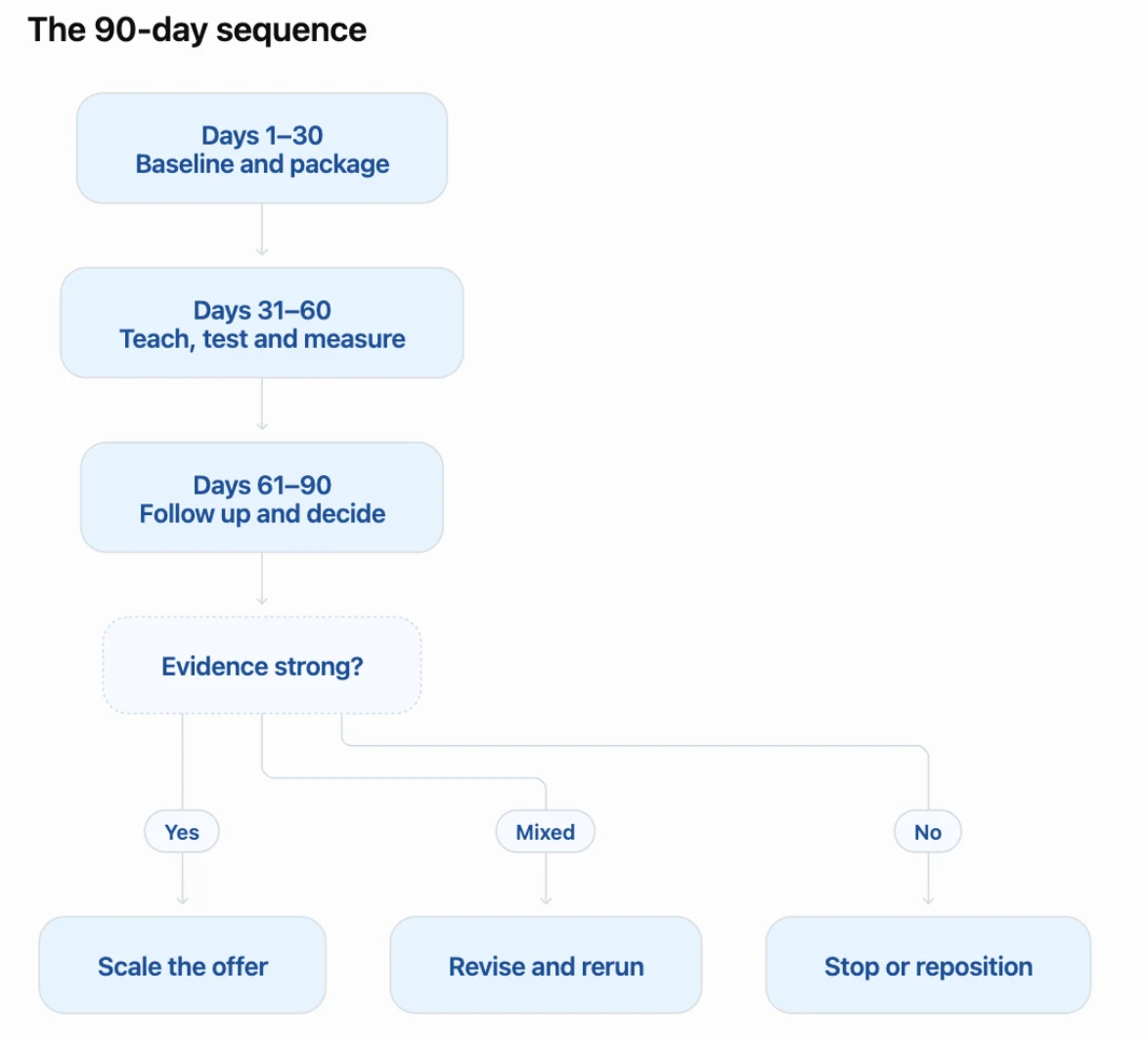
GPT-5.6 Sol Light1m 43s Sol Light provided detailed explanations. This includes a diagram of the 90-day sequence and weighted ranking criteria to clarify its priorities. Use it when you need to justify project details, such as explanations on chosen criteria and visual timelines for the team to review.
GPT-5.6 Sol Medium3m 17s Sol Medium went even further into small planning details. Sources were cited after nearly every bullet. Working through complex execution details.
GPT-6 Astra Light39s Astra Light included references and a comprehensive yet more compact plan than Sol. Fewer step-by-step explanations made it easier to scan. A concise strategic draft.
GPT-6 Astra Medium1m 27s Astra Medium combined weighted criteria, detailed recommendations, and links embedded in the explanation. Kept the answer more succinct than Sol while making its sources easy to cross-check. A decision brief where readers need clear priorities, supporting rationale, and convenient source links.

What Made Astra Different

Both Sol responses explained the choices step by step. This made the recommendations easier to discuss, question, and further develop.

Sol Light’s diagram added a useful visual overview, while Sol Medium went deeper into details that were easier to miss in the shorter responses.

Flowchart of the 90-day sequence produced by GPT-5.6 Sol Light: baseline, test, decide, then scale, revise, or stop
The visual diagram Sol Light produced

Astra’s was distinctively compact while still being thorough.

Astra Medium brought the most useful combination: weighted criteria to explain how it ranked the options, enough detail to understand the recommendations, and embedded links to check the supporting material as you read.

Astra’s advantage here was the combination of detail, references, and concision.

The Bottom Line: GPT-6 Astra

GPT-6 Astra, Sol, and Terra can all produce a useful 90-day plan. The difference is the level of detail they use to present the work.

  • Use Astra when you need a concise decision brief. Astra Medium gave us the clearest combination of ranking criteria, detailed recommendations, and linked sources. The responses are comprehensive without being too long.
  • Use Sol when you need to work through the plan in detail. Its answers explained the logic step by step, surfaced smaller execution considerations, and, in Sol Light’s case, added a helpful visual roadmap.
  • Use Terra for a fast brainstorming session. It gave a solid general outline, which can be enough when you need to structure the discussion before developing the plan further.

Depending on the context of your decisions, each model can be useful in different ways.

Better choices come from experimentation to further understand each model’s capabilities.

So try GPT-6 Astra today and see what it has to offer.